
The 1099-K Threshold Just Changed Again: What Small Business Owners Need to Know in 2026

If you've been trying to keep up with 1099-K reporting requirements, you're not alone, and you're probably frustrated. The threshold has changed multiple times over the past few years, leaving small business owners, freelancers, and payment processors scrambling to adjust. Here's what you need to know: the 1099-K threshold for 2026 is staying at $20,000 in gross payments AND at least 200 transactions. That's right, it's not dropping to $600 like many expected.
Let's break down what happened, why it matters, and what you need to do to stay compliant.
The Rollercoaster History of the 1099-K Threshold
To understand where we are now, it helps to look at how we got here.
Originally, the American Rescue Plan Act of 2021 lowered the 1099-K reporting threshold from $20,000/200 transactions down to just $600 with no transaction minimum. The goal was to increase tax compliance and close the gap on unreported income. Sounds straightforward, right?
Not quite. The IRS quickly realized this change would create a massive administrative burden, for themselves, for payment processors, and especially for small business owners. Millions of additional 1099-K forms would flood the system, many reporting relatively small amounts that business owners were already tracking and reporting on their tax returns.
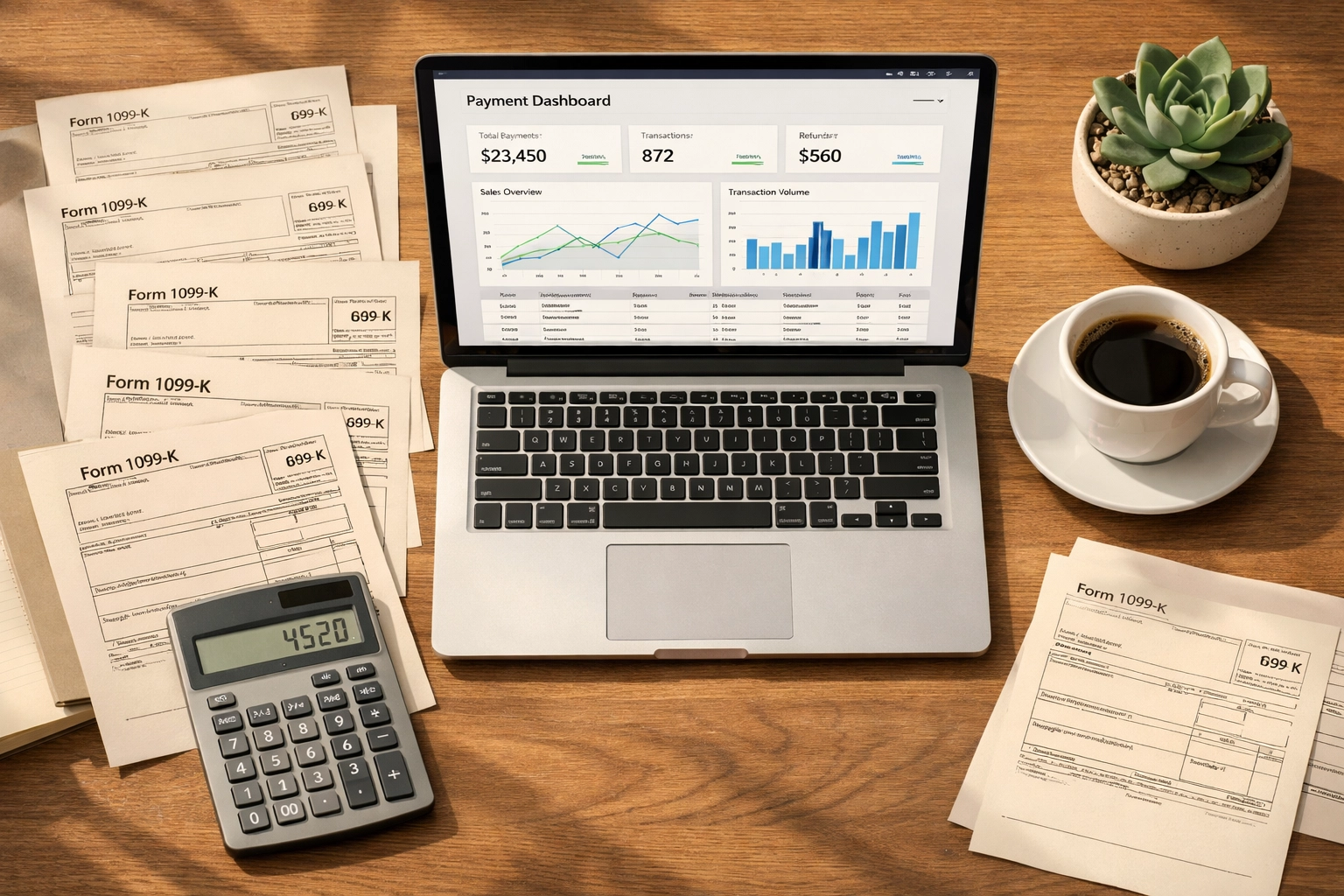
After multiple delays and phase-in attempts, the One Big Beautiful Bill (OBBB) passed in July 2025 officially reversed course. The legislation brought the threshold back to the original $20,000 gross payment amount plus 200 transactions, effective for payments made after December 31, 2024.
This decision aims to reduce confusion, minimize unnecessary paperwork, and let small businesses focus on running their operations instead of drowning in tax forms.
What the 2026 Thresholds Actually Are
Let's get specific. Here's what you need to know about information return thresholds for 2026:
Form 1099-K:
Threshold: $20,000 in gross payments
Transaction minimum: 200 transactions
Both conditions must be met for payment processors to issue the form
Applies to payments processed through third-party networks like PayPal, Venmo, Square, Stripe, and similar platforms
Forms 1099-NEC and 1099-MISC:
New threshold: $2,000 (increased from $600)
No transaction minimum required
Applies to contractor payments, rent, and other non-employee compensation
This $2,000 threshold will be adjusted for inflation annually starting in 2027
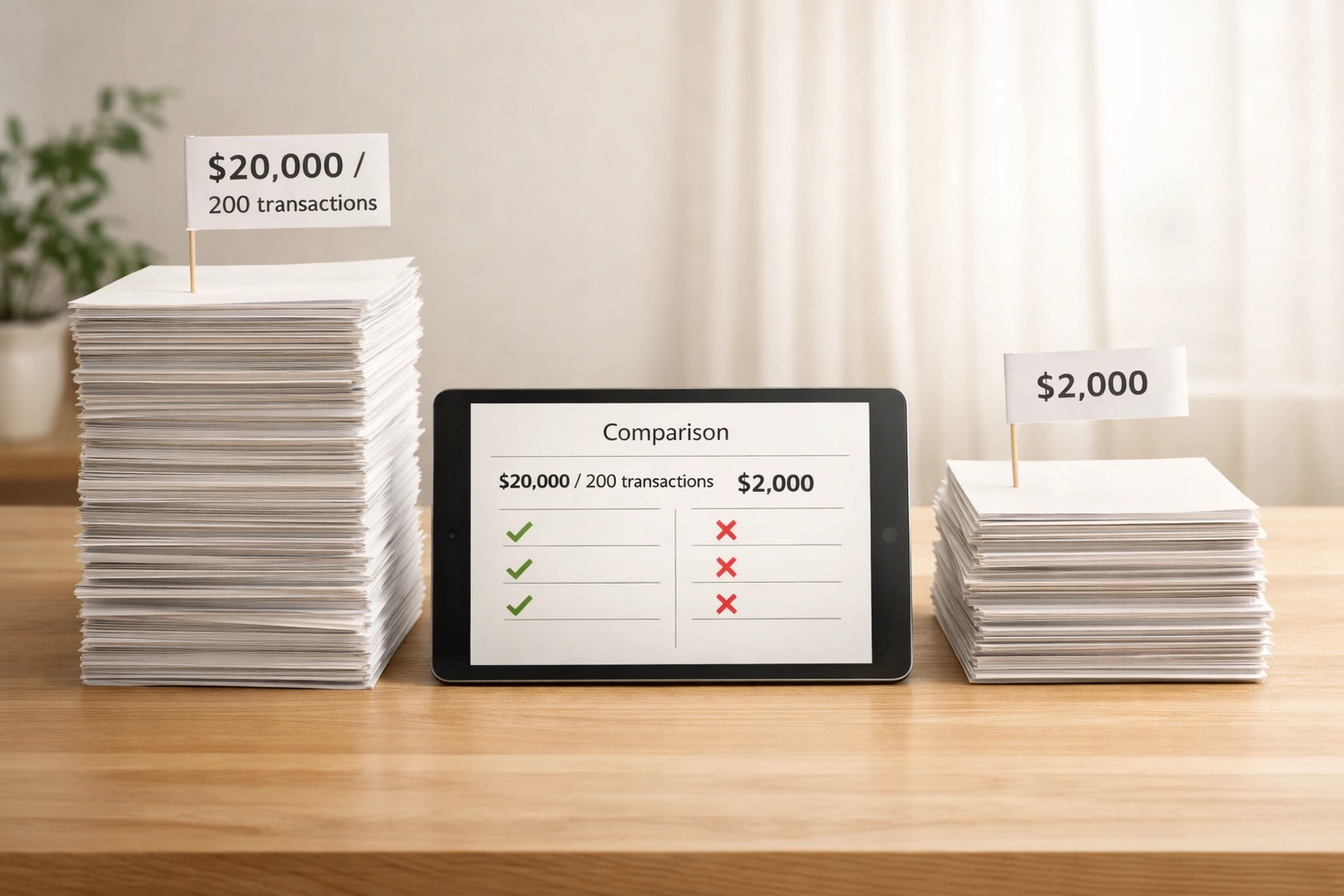
The key difference? The 1099-K requires you to hit both the dollar amount and the transaction count. The 1099-NEC and 1099-MISC only look at the dollar amount.
Who Is Actually Affected by These Changes
Understanding whether these thresholds impact your business depends on how you receive payments and how much volume you process.
You'll receive a 1099-K if:
You use third-party payment processors (PayPal, Venmo, Square, etc.)
Your gross payments exceed $20,000 for the year
You complete more than 200 separate transactions
You won't receive a 1099-K if:
Your total payments are under $20,000, OR
You have fewer than 200 transactions, OR
You receive payments through direct bank transfers, checks, or cash (these may still trigger 1099-NEC/MISC forms from individual clients)
For the 1099-NEC and 1099-MISC changes:
Contractors or service providers who previously received forms for amounts between $600-$1,999 will no longer get them
However, and this is crucial, you're still legally required to report this income on your tax return whether you receive a form or not
Consider a freelance graphic designer who earns $1,500 from a single client in 2026. Under the old rules, they'd receive a 1099-NEC. Under the new threshold, they won't. But that income still needs to be reported when they file their taxes.
What This Means for Your Record-Keeping
Here's where many small business owners make a costly mistake: they assume that if they don't receive a 1099 form, they don't need to report the income. That's absolutely not the case.
The IRS still expects you to report all income, regardless of whether you receive a 1099-K, 1099-NEC, or any other form. The threshold changes only affect when payment processors and clients are required to send you documentation, not when you're required to report earnings.

This makes accurate bookkeeping more important than ever. You need to track:
All revenue sources, including cash, check, and digital payments
Which payments came through platforms that might issue 1099-Ks
Payments from individual clients that might trigger 1099-NEC forms
Any income that falls below reporting thresholds but still needs to be declared
If you're using payment platforms that previously sent you 1099-K forms and now won't (because you don't meet the $20,000/200 transaction threshold), don't interpret that as permission to skip reporting. Your tax obligations haven't changed, only the paperwork requirements have.
Practical Steps to Stay Compliant in 2026
So what should you actually do with this information? Here's your action plan:
1. Review your 2025 payment activity now. Look at your total gross receipts through platforms like PayPal, Venmo, and Square. Did you exceed $20,000 and process more than 200 transactions? If yes, expect a 1099-K for 2025 (to be issued in early 2026). If no, you won't receive one: but you still need to report the income.
2. Separate business and personal transactions. One common problem with payment platforms is mixing personal reimbursements (splitting dinner with friends) with business income. If you're anywhere near the threshold, use separate accounts or platforms for business to avoid inflated 1099-K amounts.
3. Keep detailed records throughout the year. Don't wait until tax time to reconcile your income. Use bookkeeping software or spreadsheets to track every payment source monthly. This habit protects you whether you receive forms or not.
4. Understand what's included in your 1099-K amount. The form reports gross payments: that means before fees, refunds, or chargebacks. You'll need documentation to claim deductions for payment processing fees and to account for any refunded transactions.
5. Communicate with clients about the $2,000 threshold. If you're a contractor who typically receives 1099-NEC forms from multiple clients, let them know about the new $2,000 threshold. Some may still choose to issue forms for amounts under $2,000 for their own record-keeping purposes, but it's no longer required.

Common Questions About the 2026 Changes
Q: If I don't receive a 1099-K, does the IRS know about my income?
Yes. Payment processors report transaction data to the IRS even when they're not required to send you a form. Additionally, your bank records show deposits. The IRS has multiple ways to identify unreported income.
Q: What if I receive a 1099-K that includes personal transactions or refunds?
Document everything. Keep records of which transactions were personal reimbursements or refunded sales. You'll report the 1099-K amount on your tax return but can deduct or explain discrepancies with proper documentation. This is a situation where working with a bookkeeper or tax professional becomes especially valuable.
Q: Can I still request a 1099 from a client who paid me less than $2,000?
You can request one, but they're not obligated to provide it. That's why maintaining your own detailed records is non-negotiable.
Q: Does this change affect my quarterly estimated tax payments?
No. You still need to make estimated tax payments based on your actual income, regardless of what forms you receive. The threshold changes only affect year-end reporting, not your ongoing tax obligations throughout the year.
Don't Let Threshold Changes Derail Your Compliance
The shifting 1099-K threshold has created understandable confusion, but the core principle remains unchanged: you're responsible for reporting all income accurately, regardless of what tax forms you receive.
If keeping up with these changes feels overwhelming, you're not alone. Many small business owners find that the time and stress of managing their own bookkeeping outweighs the cost of professional help: especially when tax rules keep changing.
Take a few minutes this week to review your payment records from 2025 and set up a tracking system for 2026. If your bookkeeping feels scattered or you're uncertain about what you need to report, this might be the right time to explore whether professional bookkeeping services could give you peace of mind and protect you from costly mistakes.
The 1099-K threshold may have changed again, but your commitment to accurate record-keeping shouldn't. Stay organized, track everything, and don't hesitate to ask for help when you need it. Your future self: and your accountant: will thank you.
Need help sorting through your payment records or setting up a compliant bookkeeping system? Get in touch with our team to discuss how we can support your business in 2026 and beyond.
Comments